
Solar Mountings &
Complete Buyer's
Guide
Everything you need to know before investing in solar mounting systems.
Planning to install solar panels but not sure which mounting system you need? You’re in the right place. This complete solar mounting resource hub is designed to help homeowners and businesses understand how solar mounting systems work, compare different mounting options, explore trusted brands, and choose a secure solution for their property.
What are Solar Mountings
Your Introduction to Solar Mounting Systems
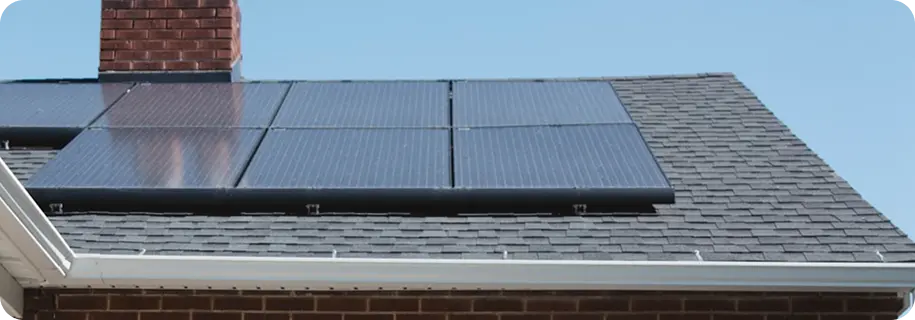
Solar mounting systems are the structures and components used to securely attach solar panels to a roof, ground surface, or other suitable installation area.
A properly designed mounting system keeps solar panels securely positioned while supporting the required panel orientation and tilt. Modern mounting systems are designed for durability, weather resistance, and compatibility with different roof types and solar panel configurations.
How Do Solar Mountings Work?
From Roof to Solar Panel : How Mounting Systems Work
A solar mounting system connects your solar panels to the property structure through a series of securely installed components.
Mounting Rails
Framework
Mounting Brackets
Connection
Clamps
Secure
Roof Attachments
Roof Fixing
Flashing
Water Protection
Mounting Feet
Support
Solar Mounting Benefits
The Benefits of Installing Quality Solar Mountings
A quality mounting system plays an important role in keeping solar panels secure, stable, and correctly positioned throughout their operating life.
Securely hold solar panels in place
Support optimal panel positioning
Improve system durability
Provide protection against weather conditions
Suitable for different roof types
Support clean and organised installations
Allow easier panel installation
Provide long-term structural support
Are Solar Mountings Right for You?
How to Know if the Right Mounting System Is Suitable for You
Choosing the right mounting system starts with understanding your roof type, solar panel configuration, property structure, and installation requirements.
Roof Type
Different roofing materials and structures require specific mounting components and installation methods.
Roof Condition
A suitable mounting system should be installed on a structurally sound roof that can safely support the solar installation.
Panel Layout
The number, size, and arrangement of solar panels influence the required mounting rails, brackets, and clamps.
Roof Direction
The orientation and available roof space can influence how the panels are positioned on the mounting structure.
Wind Exposure
Properties exposed to higher wind conditions may require mounting systems designed to provide additional structural support.
Future Plans
Planning to expand your solar system in the future? Your mounting system can be designed with your current and future panel requirements in mind.
Types of Solar Mountings
Understanding The Different Types of Solar Mounting Systems
Choosing the right mounting system depends on your roof type, installation location, panel configuration, and property requirements. Here are the four main types of solar mounting systems and who they’re best suited for.
Tile Roof Mounting
Tile roof mounting systems are designed specifically for tiled roofs and use suitable brackets and attachments to securely support solar panels.
Best for :
- Residential tiled roofs
- Standard solar installations
- Homes with suitable roof structures
Tin Roof Mounting
Tin roof mounting systems are designed for metal roofs and use appropriate brackets and attachment methods to securely install solar panels.
Best for :
- Metal roofs
- Residential properties
- Commercial buildings
Flat Roof Mounting
Flat roof mounting systems use angled structures to position solar panels at a suitable tilt while maintaining secure support.
Best for :
- Flat residential roofs
- Commercial buildings
- Large solar installations
Ground Mounting
Ground mounting systems install solar panels on a dedicated structure fixed to the ground instead of directly onto a building roof.
Best for :
- Large available land areas
- Rural properties
- Properties with limited roof space
Solar Mounting Components
The Essential Components of an Solar Mounting System
Every solar mounting system consists of several key components working together to securely support and position solar panels.
Mounting Rails
Provide the main structural framework used to attach and support solar panels.
Roof Brackets
Connect the mounting rails to the roof structure and provide secure support.
Panel Clamps
Secure individual solar panels to the mounting rails.
Roof Attachments
Connect the mounting system to the property's roof structure.
Mounting Feet
Provide stable connection points between the mounting structure and installation surface.
Flashing
Helps protect roof penetration points from water ingress where applicable.
Solar Mounting Brands
Top Solar Mounting Brands We Recommend
Choosing quality mounting equipment is just as important as choosing the right installer. Trusted mounting brands provide durable materials, secure installation solutions, and long-term structural performance.








Cost & Government Rebates
Understanding Solar Mounting & Government Rebates
The cost of a solar mounting system depends on the roof type, mounting structure, system size, materials, installation requirements, and property conditions. Mounting equipment is generally included as part of the overall solar installation cost.
Typical Installation Costs
Solar mounting costs vary based on the type of roof, number of panels, mounting components, installation complexity, and access to the property.
Roof Type
Tile, tin, flat, and other roof types may require different mounting components and installation methods, which can affect the overall cost.
System Size
A larger solar system generally requires more rails, brackets, clamps, and structural components.
Installation Requirements
Roof accessibility, structural requirements, wind exposure, and additional installation work can influence the total mounting cost.
Return on Investment
A quality mounting system supports the secure installation and long-term performance of your solar panels. Its value is primarily connected to system durability, reliability, and installation quality.
Estimated Payback Period
Mounting systems form part of the overall solar installation investment. The overall solar payback period depends on system costs, energy production, electricity usage, and available incentives.
Finance Options
Flexible Payment Options for Solar Mountings
Solar mounting systems are generally included as part of the overall solar installation and may be available through a range of flexible payment options.
Upfront Purchase
Own your complete solar mounting and panel system outright and maximise long-term energy savings.
Interest-Free Finance
Spread the cost over manageable repayments with approved finance providers.
Green Loans
Energy-efficient finance products designed specifically for renewable energy upgrades.
Payment Plans
Flexible repayment options that allow you to install solar without a large upfront investment.
Business Finance
Commercial finance solutions help businesses invest in complete solar systems while managing upfront installation costs.
Installation Process
How the Solar Mounting Installation Process Works
Installing solar mountings is a straightforward process managed by experienced professionals from roof assessment through to final panel installation.
Site Assessment
Your roof type, roof condition, available space, and structural requirements are evaluated.
Mounting Design
A suitable mounting system is designed based on your roof, solar panel layout, and installation requirements.
Material Preparation
The required rails, brackets, clamps, attachments, and other mounting components are prepared.
Mounting Installation
Qualified installers securely attach the mounting system to the roof or installation surface.
Panel Installation
Solar panels are positioned and secured to the completed mounting structure.
Testing & Inspection
The mounting system and solar installation are inspected to ensure the panels are securely positioned and the complete system meets required installation standards.
Maintenance & Cleaning
Keep Your Solar Mounting System Performing at Its Best
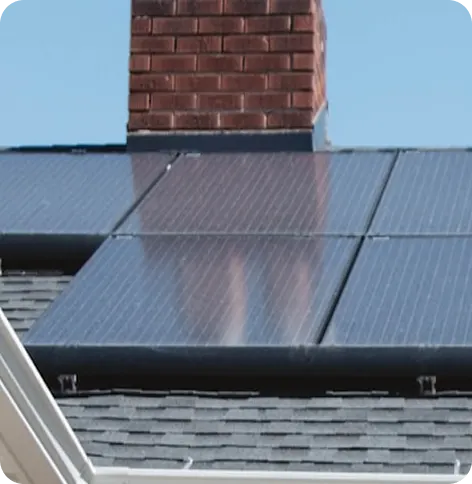
Solar mounting systems require very little maintenance, but regular inspections help ensure the structure remains secure and reliable.
Best Practices
- Inspect mounting components regularly for visible damage.
- Check rails, brackets, and clamps for signs of movement.
- Look for corrosion or deterioration of mounting components.
- Keep the area around ground-mounted systems clear of vegetation.
- Check roof attachment points during professional inspections.
- Monitor solar panels for unusual movement or changes in positioning.
- Avoid modifying mounting components without professional advice.
- Schedule occasional professional inspections to ensure the mounting system remains secure.
FAQS
FAQs Related To Solar Mounting Panel System Package
What is a solar mounting system?
A solar mounting system is the structure and collection of components used to securely attach solar panels to a roof, ground, or other suitable installation surface.
Why are solar mountings important?
Solar mountings securely hold solar panels in position and provide structural support against normal environmental conditions such as wind and weather.
What type of mounting system do I need?
The right mounting system depends on your roof type, installation location, panel configuration, property structure, and environmental conditions.
Can solar panels be installed on a tile roof?
Yes. Tile-specific mounting systems are designed to securely attach solar panels to suitable tiled roofs.
Can solar panels be installed on a tin roof?
Yes. Metal roof mounting systems use suitable brackets and attachment methods designed for metal roofing.
How much do solar mounting systems cost?
Costs vary depending on the roof type, system size, mounting components, installation complexity, and property requirements.


