
Heat Pumps &
Complete Buyer's
Guide
Everything you need to know before investing in a heat pump.
Thinking about installing a heat pump but not sure where to start? You’re in the right place. This complete heat pump resource hub is designed to help homeowners and businesses understand how heat pumps work, compare different options, explore trusted brands, and make informed decisions before investing.
What is a Heat Pump
Your Introduction to Heat Pumps
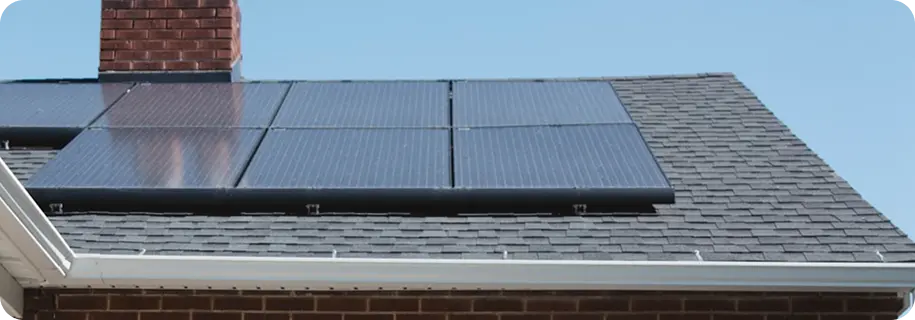
A heat pump is an energy-efficient system that transfers heat from one location to another to provide heating or hot water for your home or business.
Instead of generating heat directly, a heat pump uses electricity to move existing heat from the surrounding environment. Modern heat pumps can provide efficient hot water and heating solutions while using significantly less electricity than many traditional electric heating systems.
How Does a Heat Pump Work?
From Energy to Hot Water : How Heat Pumps Work
A heat pump transfers heat from the surrounding air into water or indoor spaces through a series of connected components.
Heat Pump Unit
Heat Source
Refrigerant
Heat Transfer
Compressor
Compression
Heat Exchanger
Heat Transfer
Water Tank
Storage
Control System
Control
Heat Pump Benefits
The Benefits of Installing an Heat Pump
Installing a heat pump can provide long-term energy efficiency, cost savings, and reliable hot water or heating for homeowners and businesses.
Reduce electricity consumption
Improve energy efficiency
Lower hot water costs
Use renewable solar energy
Reduce reliance on traditional heating systems
Provide reliable hot water
Reduce environmental impact
Support lower household energy bills
Is a Heat Pump Right for You?
How to Know if an Heat Pump Is Right for You
Most homes and businesses can benefit from an efficient heat pump, but choosing the right system starts with understanding your hot water or heating requirements and property suitability.
Household Size
Larger households generally require greater hot water capacity to meet daily usage requirements.
Hot Water Usage
Properties with higher hot water consumption can benefit from an appropriately sized heat pump system.
Available Space
The available installation area can influence the type and size of heat pump system suitable for your property.
Solar System
If you already have solar panels, a heat pump can use renewable electricity to help reduce the cost of heating water.
Energy Usage
Understanding your current electricity consumption helps determine the potential energy savings from upgrading to a heat pump.
Future Plans
Planning to install solar panels, upgrade your energy system, or increase household hot water requirements? Your heat pump can be selected to accommodate future energy needs.
Types of Heat Pumps
Understanding The Different Types of Heat Pumps
Choosing the right heat pump depends on your energy requirements, property, available space, and intended application. Here are the four main types of heat pump solutions and who they’re best suited for.
Heat Pump Hot Water System
A heat pump hot water system uses heat from the surrounding air to heat water efficiently. It is designed to provide reliable hot water while using less electricity than traditional electric water heating systems.
Best for :
- Residential homes
- Energy-efficient hot water
- Homes looking to reduce electricity usage
Air Source Heat Pump
An air source heat pump extracts heat energy from the surrounding air and transfers it into a heating or hot water system.
Best for :
- Residential properties
- Efficient heating and hot water
- Energy-conscious households
Split System Heat Pump
A split heat pump system separates the outdoor and indoor components, providing flexibility in installation and efficient heating or cooling depending on the system design.
Best for :
- Homes requiring flexible installation
- Heating and cooling requirements
- Properties with suitable outdoor space
All-in-One Heat Pump
An all-in-one heat pump combines the main components into a single integrated system, providing a compact solution for efficient hot water production.
Best for :
- Residential hot water
- Space-conscious installations
- Simple system design
Heat Pump Components
The Essential Components of an Heat Pump System
Every heat pump system consists of several key components working together to transfer heat and provide efficient hot water or heating.
Heat Pump Unit
Extracts heat energy from the surrounding environment and transfers it through the system.
Compressor
Increases the temperature and pressure of the refrigerant so heat can be transferred efficiently.
Refrigerant
Moves through the system to absorb and transfer heat energy.
Heat Exchanger
Transfers heat from the refrigerant into the water or heating system.
Storage Tank
Stores heated water so it is available when required.
Control System
Manages temperature settings, operating cycles, and system performance.
Heat Pump Brands
Top Heat Pump Brands We Recommend
Choosing quality heat pump equipment is just as important as choosing the right installer. Trusted brands provide efficient operation, reliable performance, and long-term support.








Cost & Government Rebates
Understanding Heat Pump & Government Rebates
The cost of a heat pump depends on its capacity, brand, system type, installation requirements, and property configuration. Government incentives and energy programs may help reduce the upfront cost for eligible households.
Typical Installation Costs
Heat pump prices vary based on system capacity, brand, installation requirements, and whether additional electrical or plumbing work is required.
Energy Rebates
Eligible households may be able to access state or territory energy efficiency incentives for installing approved heat pump systems. Available programs vary by location and eligibility.
Solar Integration
A heat pump can work alongside a solar system, allowing excess solar electricity to help power the system and reduce reliance on grid electricity.
Energy Savings
Heat pumps can use less electricity than traditional electric water heating systems because they transfer heat rather than generating heat directly.
Return on Investment
Your potential savings depend on your current hot water system, electricity usage, heat pump efficiency, energy prices, and available incentives.
Estimated Payback Period
The payback period varies based on installation costs, energy consumption, electricity prices, system efficiency, and available rebates.
Finance Options
Flexible Payment Options for Heat Pumps
Heat pump systems are available through a range of flexible payment options to suit different budgets.
Upfront Purchase
Own your heat pump system outright and maximise long-term energy savings.
Interest-Free Finance
Spread the cost over manageable repayments with approved finance providers.
Green Loans
Energy-efficient finance products designed specifically for renewable energy and energy efficiency upgrades.
Payment Plans
Flexible repayment options that allow you to install a heat pump without a large upfront investment.
Business Finance
Commercial finance solutions help businesses upgrade hot water and heating systems while reducing long-term operating costs.
Installation Process
How the Heat Pump Installation Process Works
Installing a heat pump is a straightforward process managed by experienced professionals from system assessment through to final commissioning.
Site Assessment
Your existing hot water or heating system, available space, energy usage, and installation requirements are evaluated.
System Selection
A suitable heat pump is selected based on your household size, hot water demand, property, and future energy requirements.
Installation Planning
The required electrical, plumbing, mounting, and connection requirements are determined.
Installation
Qualified installers position and connect the heat pump, storage tank, plumbing, and electrical components.
Testing & Inspection
The system is tested to ensure it operates safely and delivers the required heating or hot water performance.
Commissioning & Monitoring
The heat pump is commissioned and configured so you can monitor operation and manage temperature settings efficiently.
Maintenance & Cleaning
Keep Your Heat Pump System Performing at Its Best
Heat pumps require relatively little maintenance, but regular care helps maintain efficient and reliable performance.
Best Practices
- Keep the outdoor unit clear of leaves, dirt, and other debris.
- Ensure adequate airflow around the heat pump.
- Clean filters and components according to the manufacturer’s recommendations.
- Check for unusual noises or changes in system performance.
- Monitor temperature and energy usage regularly.
- Inspect plumbing and connections for visible leaks.
- Schedule professional servicing when recommended.
- Keep the surrounding area clear to maintain proper ventilation.
FAQS
FAQs Related To Heat Pump Panel System Package
Is a heat pump worth installing?
A heat pump can provide an energy-efficient solution for hot water or heating while potentially reducing electricity consumption compared with traditional electric systems.
What size heat pump do I need?
The right size depends on your household size, hot water usage, property requirements, available space, and system type.
How much does a heat pump cost?
Costs vary depending on the system capacity, brand, installation requirements, property configuration, and available rebates.
Can a heat pump work with solar panels?
Yes. A heat pump can use electricity generated by solar panels, helping increase the use of renewable energy within your property.
How energy efficient is a heat pump?
Heat pumps can be highly energy efficient because they transfer existing heat rather than generating heat directly using electrical resistance.
Can a heat pump replace my existing hot water system?
Yes. Heat pump hot water systems can be used as an alternative to many traditional hot water systems, subject to property requirements and installation suitability.


