
Solar Resources &
Complete Beginner’s
Guide
Short introduction explaining that this guide covers everything someone needs to know before buying solar.
What is Solar
Your Introduction to Solar Energy
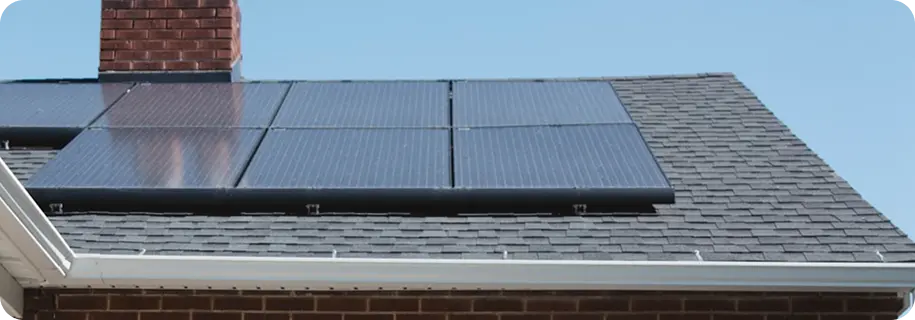
Solar energy is electricity generated from sunlight using photovoltaic (PV) solar panels. Instead of relying solely on electricity from the grid, a solar power system allows your home or business to produce clean, renewable energy during the day.
With Australia’s abundant sunshine, solar has become one of the most effective ways to reduce electricity bills while lowering environmental impact. Modern solar systems are reliable, long-lasting, and designed to deliver consistent performance for decade.
How Does Solar Work
From Sunlight to Electricity : How Solar Works
A solar system converts sunlight into usable electricity through a series of connected components.
Sun
Photons
Solar Panels
PV Cell
Inverter
DC → AC
Switchboard
Distribution
Appliances
Home Power
Grid
Export / Import
Solar Benefits
The Benefits of Installing Solar Panels
Installing Solar offers long-term financial and environmental benefits for homeowners and businesses alike.
Lower electricity bills
Government Incentives
Renewable energy
Reduce your carbon footprint
Energy Independence
Long term savings
Increase your property’s value
Is Solar Right For you?
How to Know If Solar Is Right for You
Most properties can benefit from solar, but choosing the right system starts with understanding your energy needs and property suitability.
Roof Direction
North-facing roofs generally provide the highest energy production, although east and west-facing roofs also perform well.
Roof Size
A larger roof allows more solar panels, increasing your system’s energy output.
Shading
Trees, nearby buildings, and chimneys may reduce solar performance if they block sunlight.
Electricity Usage
The more electricity you use, particularly during the day, the greater your potential savings.
Home Ownership
Permanent solar systems are ideal for homeowners, while renters should discuss installation options with property owners.
Future Plans
Planning to buy an electric vehicle or install battery storage? Your solar system can be designed to accommodate future upgrades.
Types of Solar System
Understanding The Different Types of Solar Systems
Choosing the right solar system depends on your energy usage, budget, and future plans. Here are the four main types of solar systems and who they’re best suited for.
Grid Connected Solar System
A grid-connected system is the most common option for homes and businesses. It uses solar power during the day and automatically draws electricity from the grid when needed. Excess energy can be exported to the grid for feed-in tariff credits
Best for :
- Homes connected to the grid
- Lower electricity bills
- First-time solar buyers
Solar + Battery System
A solar and battery system stores excess solar energy generated during the day for use at night or during peak electricity periods. It helps increase energy independence and reduce reliance on the grid.
Best for :
- High evening energy usage
- Greater energy independence
- Maximizing solar savings
Off-Grid Solar System
An off-grid system operates without any connection to the electricity network. It relies on solar panels and battery storage to provide power, making it ideal for remote properties
Best for :
- Rural and remote locations
- Properties without grid access
- Complete energy independence
Hybrid Solar System
A hybrid system combines solar panels, battery storage, and grid connection. It gives you the flexibility to use, store, or import electricity as needed for greater efficiency and reliability.
Best for :
- Homeowners planning for the future
- Homes wanting battery backup
- Maximum energy flexibility
Solar Components
The Essential Components of a Solar System
Every solar system consists of several key components working together to generate and manage electricity efficiently.
Solar Panels
Capture sunlight and convert it into electricity.
Heat Pumps
Energy-efficient hot water systems that consume significantly less electricity than traditional water heaters.
Solar Inverters
Convert the electricity produced by your panels into power your home can use.
Monitoring Systems
Track your system's performance, electricity production, and energy usage through an easy-to-use mobile app.
Solar Batteries
Store unused solar energy for use during the evening or when sunlight is unavailable.
Mounting Systems
Securely attach solar panels to your roof while ensuring durability and weather resistance.
EV Chargers
Charge electric vehicles using clean solar energy, reducing charging costs.
Solar Panel Brands
From Sunlight to Electricity : How Solar Works
Choosing quality equipment is just as important as choosing the right installer. Premium brands deliver better efficiency, stronger warranties, and reliable long-term performance.







Cost & Government Rebates
Understanding Solar Costs & Government Rebates
The cost of a solar system depends on its size, the equipment you choose, and your installation requirements. Government incentives can help reduce the upfront cost, making solar a more affordable investment
Typical Installation Costs
Solar system prices vary based on system size, panel quality, and whether you include battery storage. A larger system generally costs more but can deliver greater long-term savings.
Small-scale Technology Certificates (STCs)
STCs are an Australian Government incentive that helps lower the upfront cost of eligible solar systems. The rebate amount depends on your system size and location.
Queensland Government Rebates
Queensland may offer additional solar or battery rebate programs for eligible households. Check the latest available incentives before installing your system.
Feed-in Tariffs
If your system generates more electricity than you use, the excess energy can be exported to the grid. Your electricity retailer may provide credits through a feed-in tariff.
Return on Investment
Solar can reduce your electricity bills from day one. Your savings depend on your energy usage, system size, and how much solar power you use.
Estimated Payback Period
Most solar systems pay for themselves over time through lower electricity bills. The payback period varies based on your system, energy usage, and available rebates
Finance Options
Flexible Payment Options for Solar
Solar is available through a range of flexible payment options to suit different budgets.
Upfront Purchase
Solar is available through a range of flexible payment options to suit different budgets.
Interest-Free Finance
Spread the cost over manageable repayments with approved finance providers.
Green Loans
Energy-efficient finance products designed specifically for renewable energy upgrades.
Payment Plans
Flexible repayment options that allow you to install solar sooner without a large upfront investment.
Business Finance
Commercial finance solutions help businesses reduce operating costs while investing in sustainable energy.
Installation Process
How the Solar Installation Process Works
Installing solar is a straightforward process managed by experienced professionals from start to finish.
Site Assessment
Your property, roof, and electricity usage are evaluated.
System Design
A customised solar solution is designed to meet your energy requirements.
Approvals
Required network approvals and documentation are completed.
Installation
Qualified installers fit your complete solar system.
Testing & Inspection
The system is tested to ensure it meets all safety and performance standards.
Grid Connection & Monitoring
Once approved, your system is connected to the electricity grid and monitoring is activated so you can track performance.
Maintenance & Cleaning
Keep Your Solar System Performing at Its Best
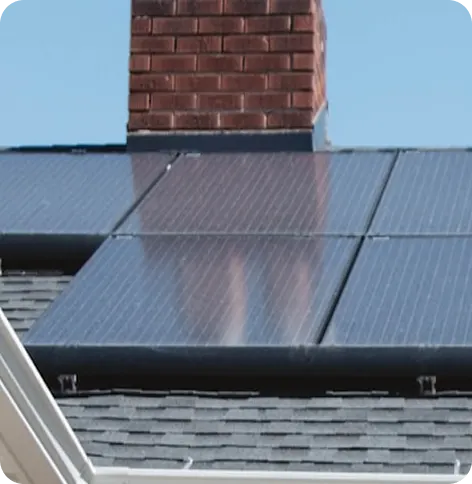
Solar systems require very little maintenance, but regular care helps maintain maximum efficiency.
Best Practices
- Inspect your panels regularly for dirt and debris.
- Clean panels every 6–12 months when necessary.
- Avoid using harsh chemicals or abrasive cleaning tools.
- Trim nearby trees to minimize shading.
- Consider bird-proofing if nesting becomes an issue.
- Monitor system performance through your monitoring app.
- Schedule occasional professional inspections to ensure everything continues operating efficiently.
FAQS
Frequently Asked Questions
What is included in this solar panel system package?
The cost of a solar panel system in Brisbane depends on factors such as system size, equipment selection, roof type, and installation requirements. Government rebates and available finance options can also reduce your upfront investment. Contact our team for a personalized quote based on your home’s energy usage, or visit our Pricing & Finance page for more information.
How much does a solar panel system cost in Brisbane?
The cost of a solar panel system in Brisbane depends on factors such as system size, equipment selection, roof type, and installation requirements. Government rebates and available finance options can also reduce your upfront investment. Contact our team for a personalized quote based on your home’s energy usage, or visit our Pricing & Finance page for more information.
Can I claim government rebates for this solar panel system?
The cost of a solar panel system in Brisbane depends on factors such as system size, equipment selection, roof type, and installation requirements. Government rebates and available finance options can also reduce your upfront investment. Contact our team for a personalized quote based on your home’s energy usage, or visit our Pricing & Finance page for more information.
How long does it take to install a solar system?
The cost of a solar panel system in Brisbane depends on factors such as system size, equipment selection, roof type, and installation requirements. Government rebates and available finance options can also reduce your upfront investment. Contact our team for a personalized quote based on your home’s energy usage, or visit our Pricing & Finance page for more information.
How much can I save on my electricity bill with a solar panel system?
The cost of a solar panel system in Brisbane depends on factors such as system size, equipment selection, roof type, and installation requirements. Government rebates and available finance options can also reduce your upfront investment. Contact our team for a personalized quote based on your home’s energy usage, or visit our Pricing & Finance page for more information.


